
The Best Seasons to Visit Shikoku Island: A Local's Perspective


Shikoku Island, a lesser-known gem of Japan, offers breathtaking landscapes, rich history, and vibrant culture. While each season presents a unique charm, knowing the best times to visit can enhance your experience. As a local, I’ll guide you through the ideal seasons to explore this captivating island.
Spring: Cherry Blossoms and Tranquility
Spring in Shikoku is nothing short of magical. From late March to early May, the island transforms into a sea of pink and white as cherry blossoms bloom. Popular spots like Matsuyama Castle and Ritsurin Garden offer stunning views, making it a perfect time for hanami, or cherry blossom viewing.
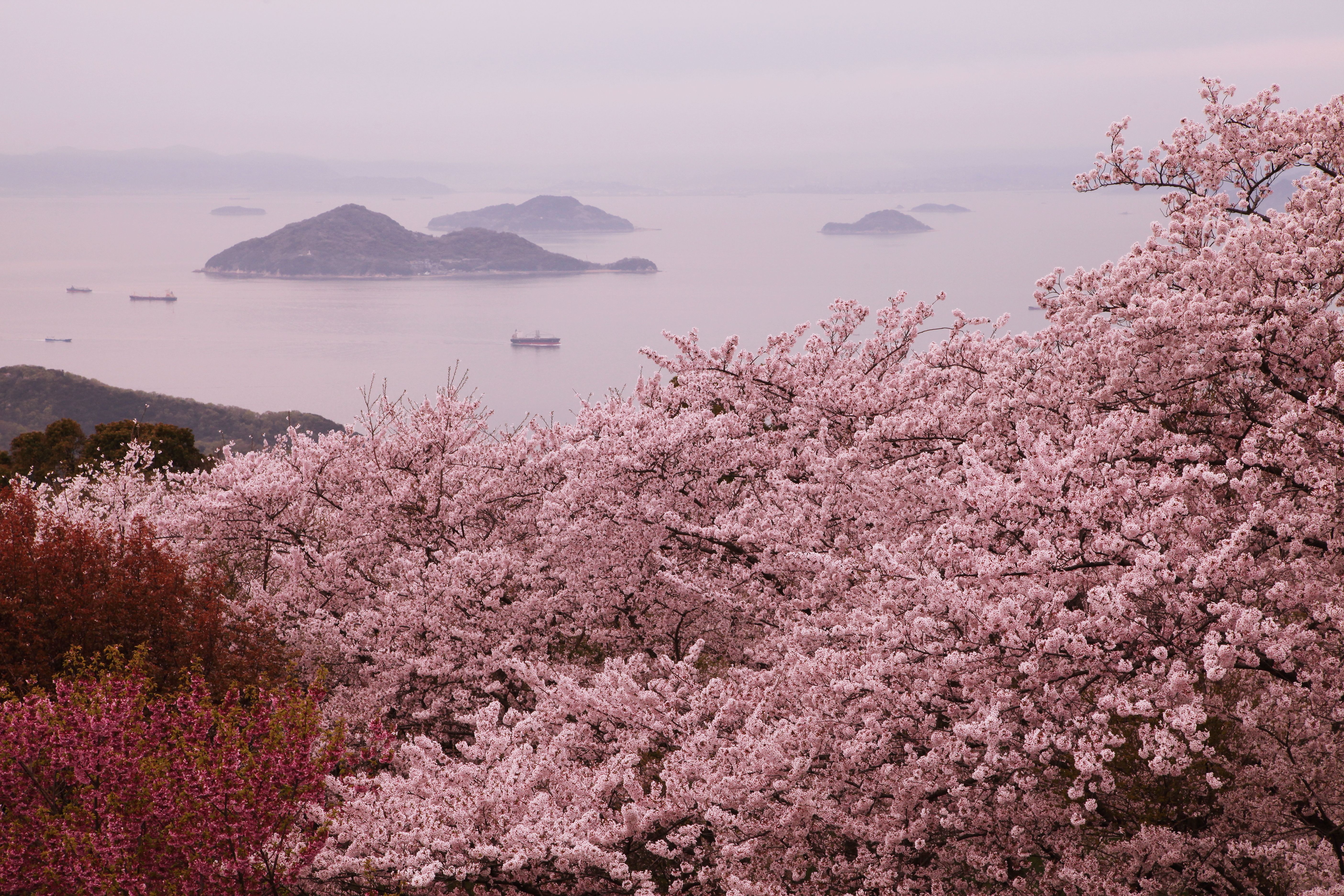
Beyond the blossoms, spring is also marked by mild temperatures and clear skies, ideal for outdoor activities. Hiking enthusiasts will find the trails around the Iya Valley particularly inviting, offering a blend of adventure and serenity.
Local Festivals
Spring is also a time for vibrant local festivals. The Awa Odori Festival, although more famous in Tokushima during summer, sees smaller events in spring, offering a taste of traditional dance and music without the crowds.
Summer: Festivals and Adventure
Summer in Shikoku is synonymous with festivals and energy. From June to August, the island comes alive with events like the Yosakoi Festival in Kochi, where dancers in colorful costumes parade through the streets.
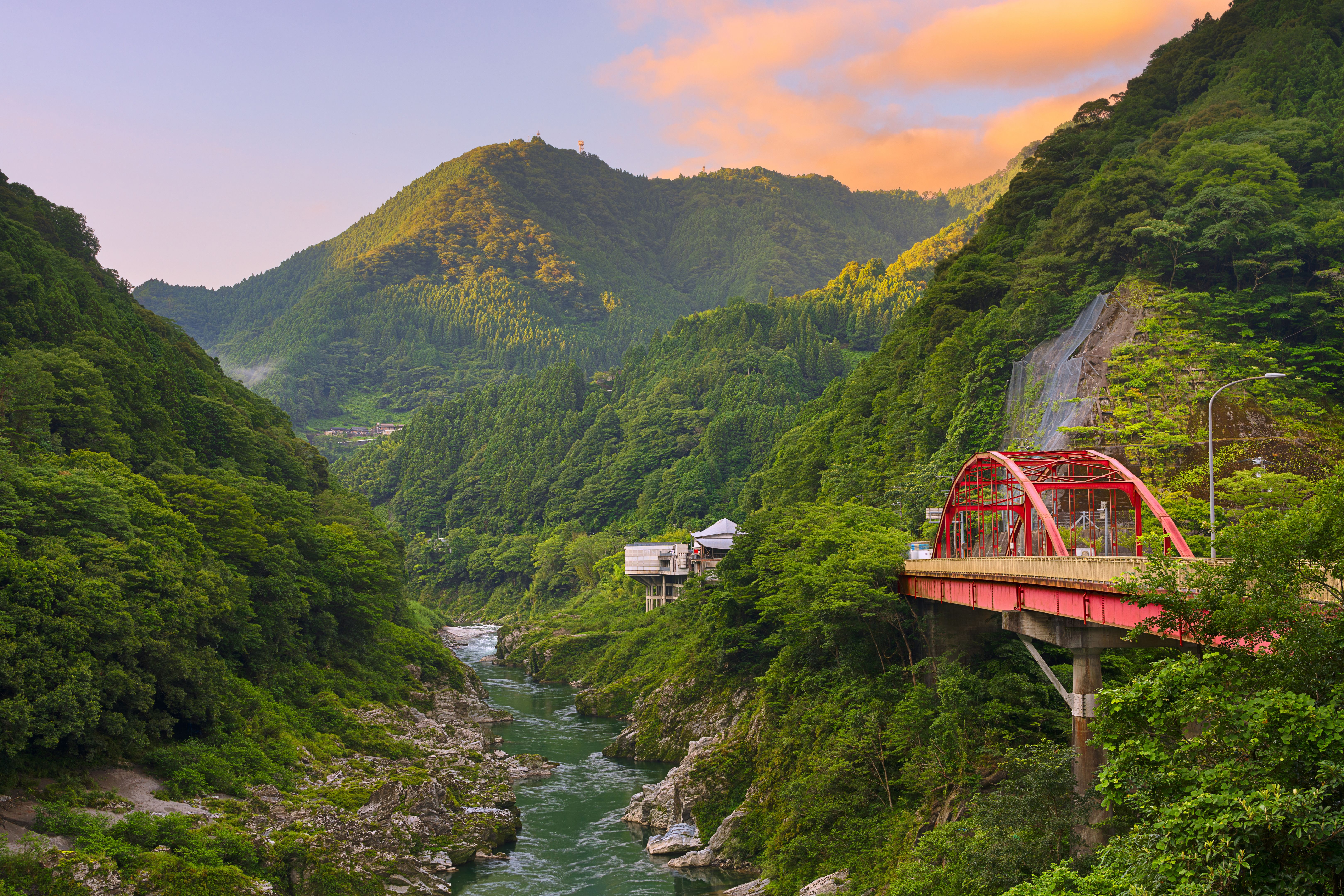
For adventure seekers, summer is perfect for exploring Shikoku’s beaches and rivers. The Shimanto River, one of Japan’s last free-flowing rivers, offers activities like canoeing and fishing, while the beaches in Ehime provide a relaxing escape.
Staying Cool
While the temperatures can rise, the island’s numerous waterfalls, such as the stunning Naruto Whirlpools, provide refreshing retreats. Additionally, the local cuisine, featuring light and fresh ingredients, helps beat the heat.
Autumn: A Tapestry of Colors
Autumn is arguably the best time to visit Shikoku. From late September to November, the island is adorned with brilliant hues of red, orange, and yellow. The famous Iya Valley and Oboke Gorge are particularly breathtaking during this season.
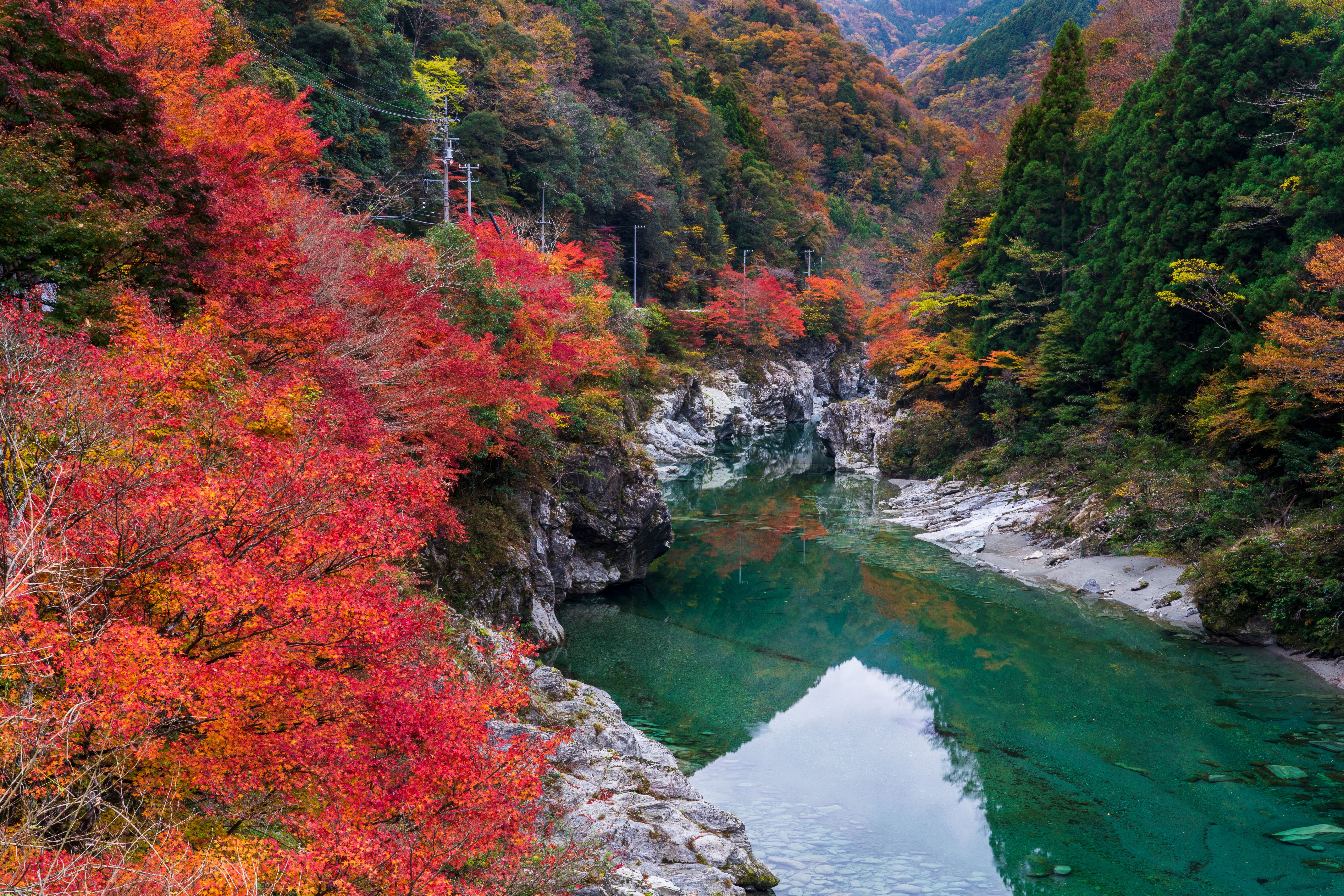
The cooler climate also makes it perfect for exploring historical sites like the ancient temples of the 88 Temple Pilgrimage, providing both spiritual and scenic enrichment.
Culinary Delights
Autumn is also the harvest season, offering a bounty of local produce. Visitors can enjoy freshly harvested chestnuts, persimmons, and sweet potatoes, along with traditional dishes that highlight seasonal flavors.
Winter: A Peaceful Retreat
Winter, from December to February, offers a different kind of beauty. The island’s landscapes are serene, providing a peaceful retreat from the hustle and bustle. This is the perfect time to enjoy Shikoku’s hot springs, such as Dogo Onsen, one of Japan’s oldest.
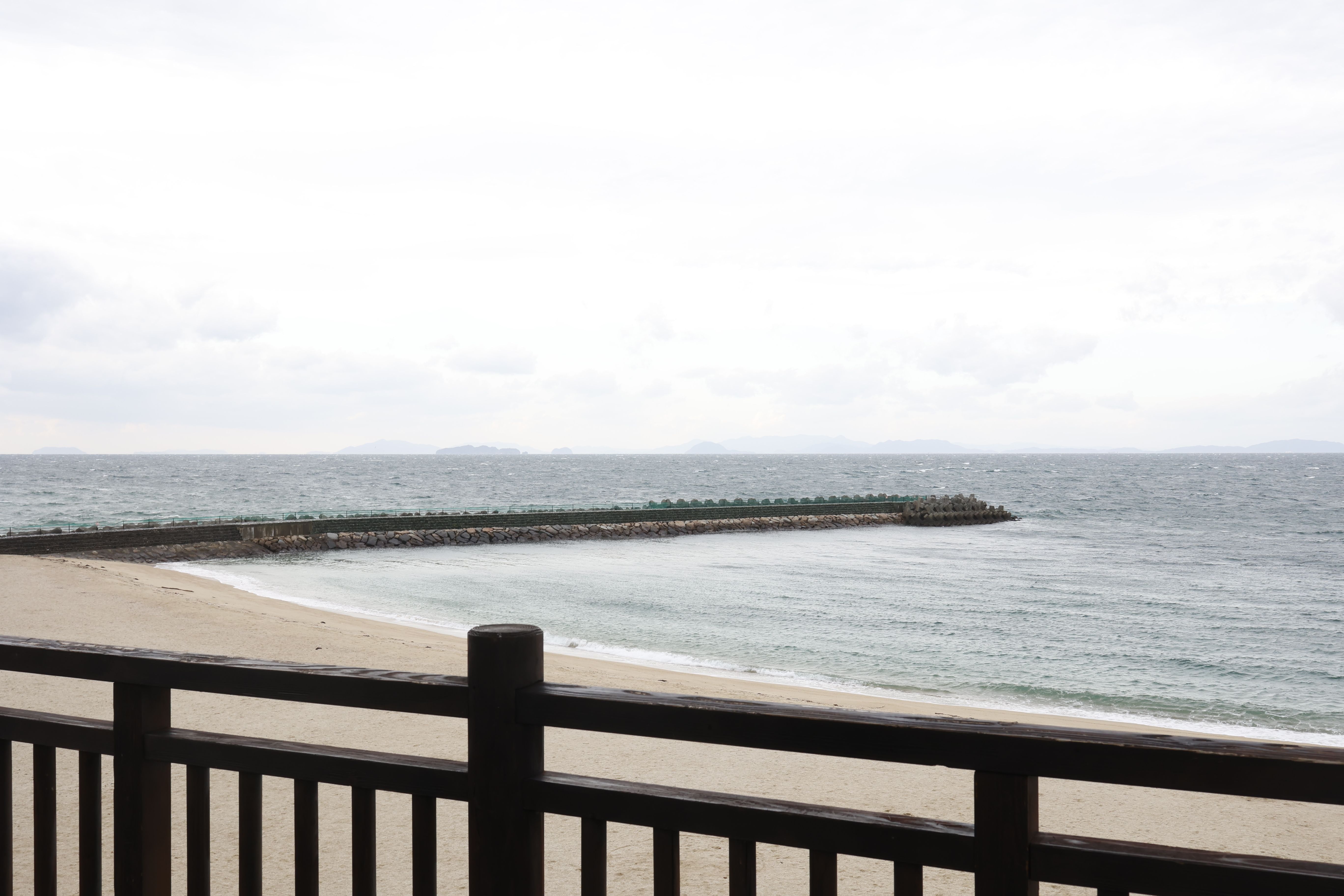
While it may be colder, the island’s mild climate ensures that outdoor activities are still accessible. The lack of crowds also means you can explore at a leisurely pace, enjoying the tranquility of nature and the warmth of local hospitality.
In conclusion, each season in Shikoku offers its own unique experiences and sights. Whether you're drawn to the blooming cherry blossoms of spring, the lively festivals of summer, the vibrant foliage of autumn, or the serene landscapes of winter, Shikoku Island promises unforgettable memories year-round.