
Myths and Facts About Japanese Tea Ceremonies You Need to Know


Introduction to Japanese Tea Ceremonies
The Japanese tea ceremony, also known as chanoyu, is a traditional art form that has fascinated people around the world. While many appreciate its beauty and tranquility, there are several myths and misconceptions surrounding this cultural practice. Let's explore some common myths and uncover the facts about this ancient ritual.
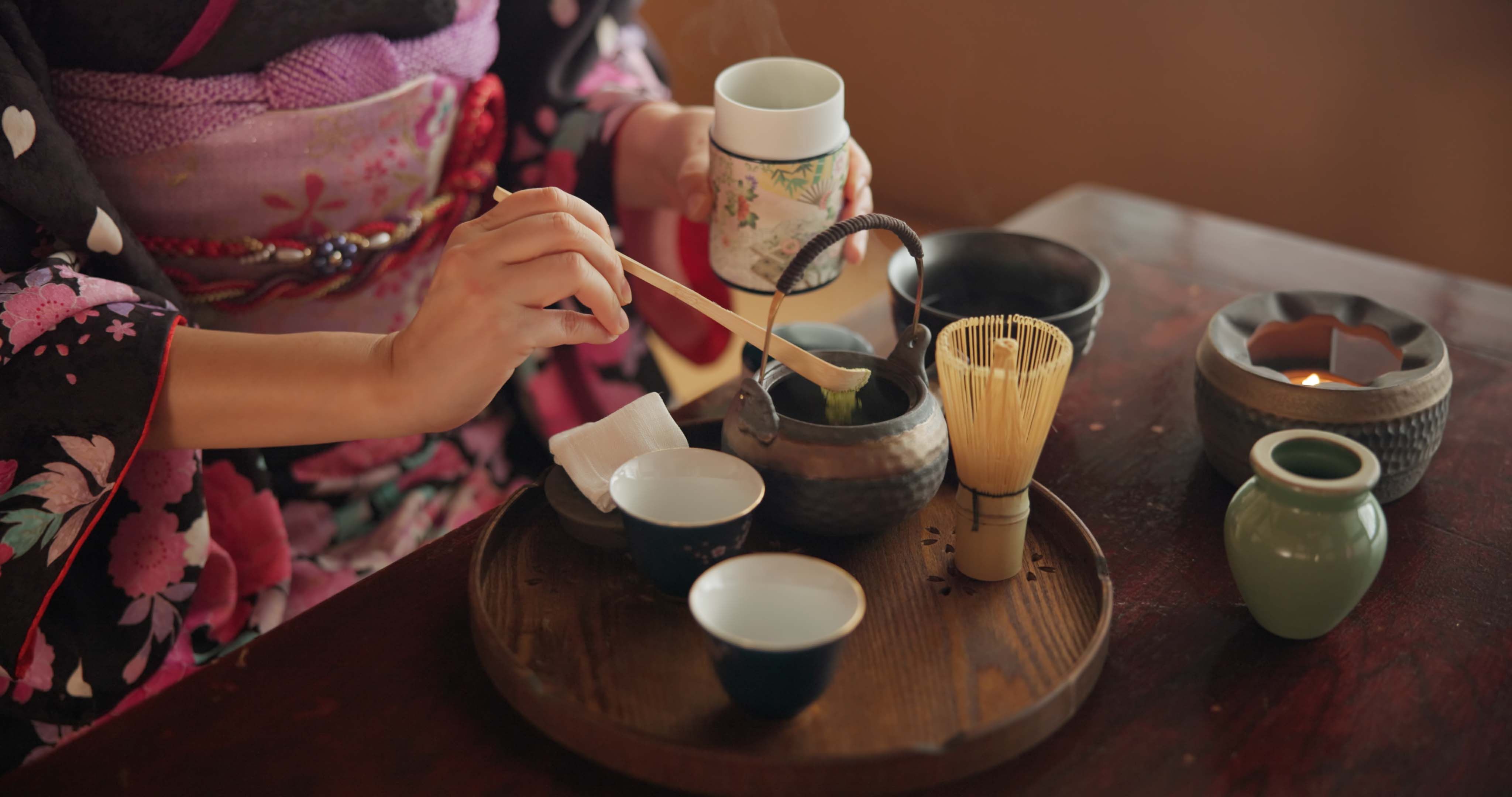
Myth 1: The Ceremony Is Just About Drinking Tea
One prevalent myth is that the Japanese tea ceremony is merely about drinking tea. In reality, it is a spiritual and cultural experience that emphasizes harmony, respect, purity, and tranquility. Participants engage in a series of precise movements and gestures, each imbued with meaning.
The Importance of Ritual
The tea ceremony involves a series of carefully orchestrated steps, from the preparation of the tea to its consumption. Every action, from bowing to the whisking of the tea, is performed with mindfulness and intention. This process is designed to foster a sense of peace and connection among participants.
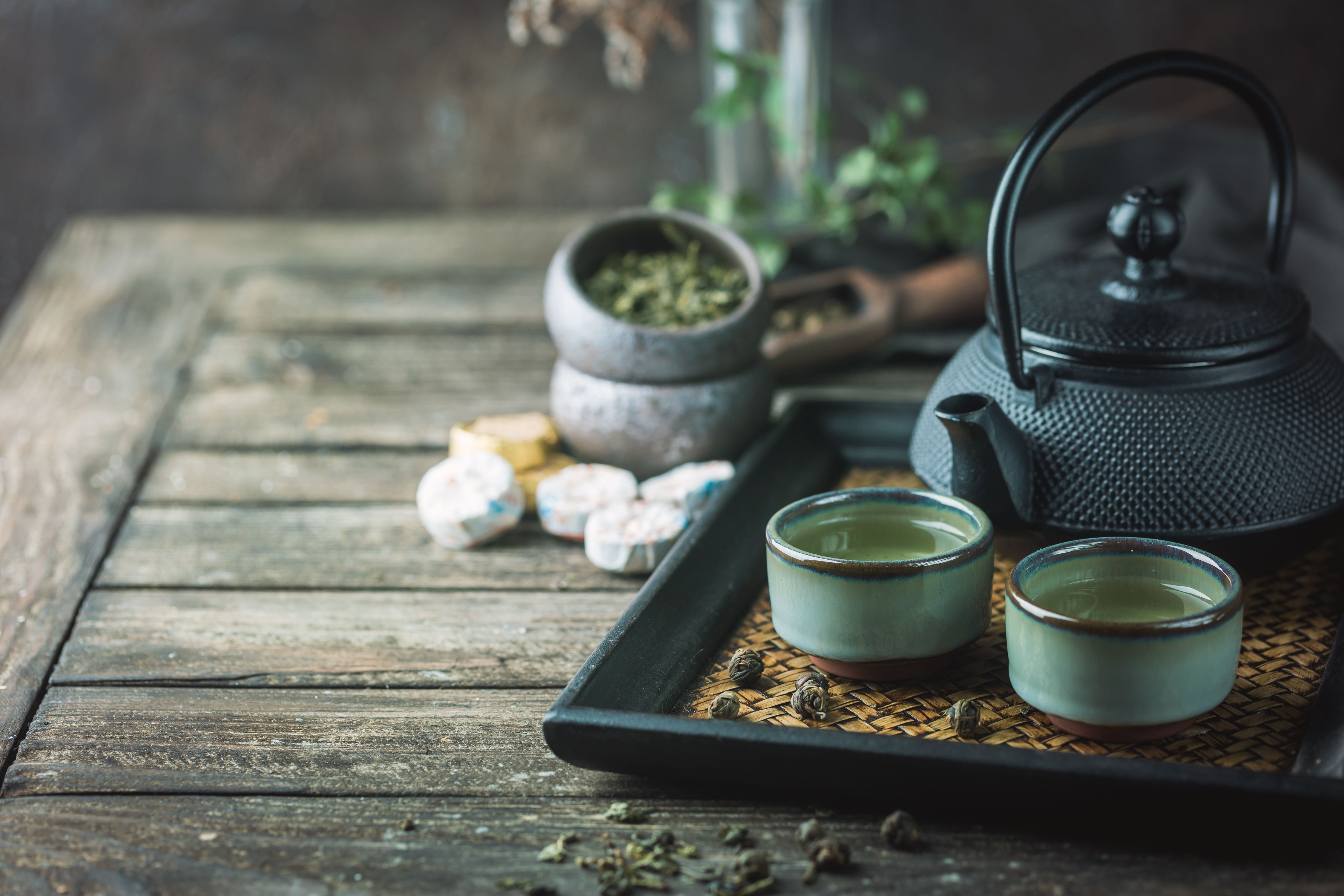
Myth 2: Only Certain Types of Tea Are Used
Another misconception is that only specific types of tea are used in the ceremony. While matcha, a powdered green tea, is commonly associated with the ceremony, other teas such as sencha and gyokuro may also be used depending on the occasion and style of the ceremony.
Variety and Choice
The choice of tea can be influenced by the season, the host's preferences, and the formality of the event. The diversity in tea selection reflects the adaptability and richness of this cultural tradition. Participants can enjoy a unique experience each time they partake in a ceremony.
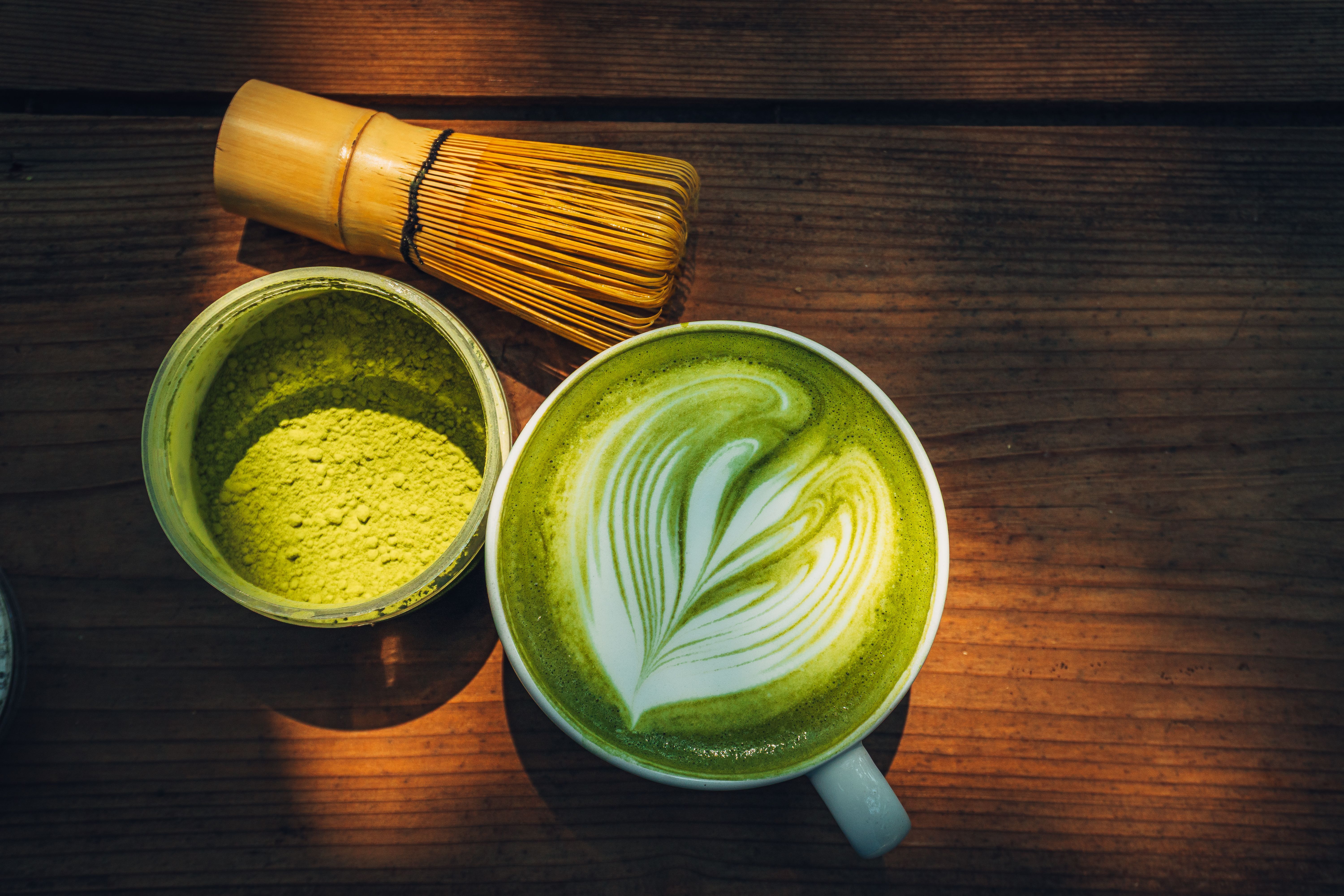
Myth 3: The Ceremony Is Strictly Formal
Many believe that the tea ceremony is always a formal event. While it can be formal, it is also a social gathering that can vary in tone and style. The atmosphere may range from solemn to casual, depending on the context and the relationship between host and guests.
Adaptability and Social Connection
The tea ceremony serves as a way to build community and strengthen bonds. Whether it is a small gathering of friends or a more elaborate affair, the ceremony is adaptable and can be tailored to suit different occasions. This flexibility is part of what makes it enduring and beloved.
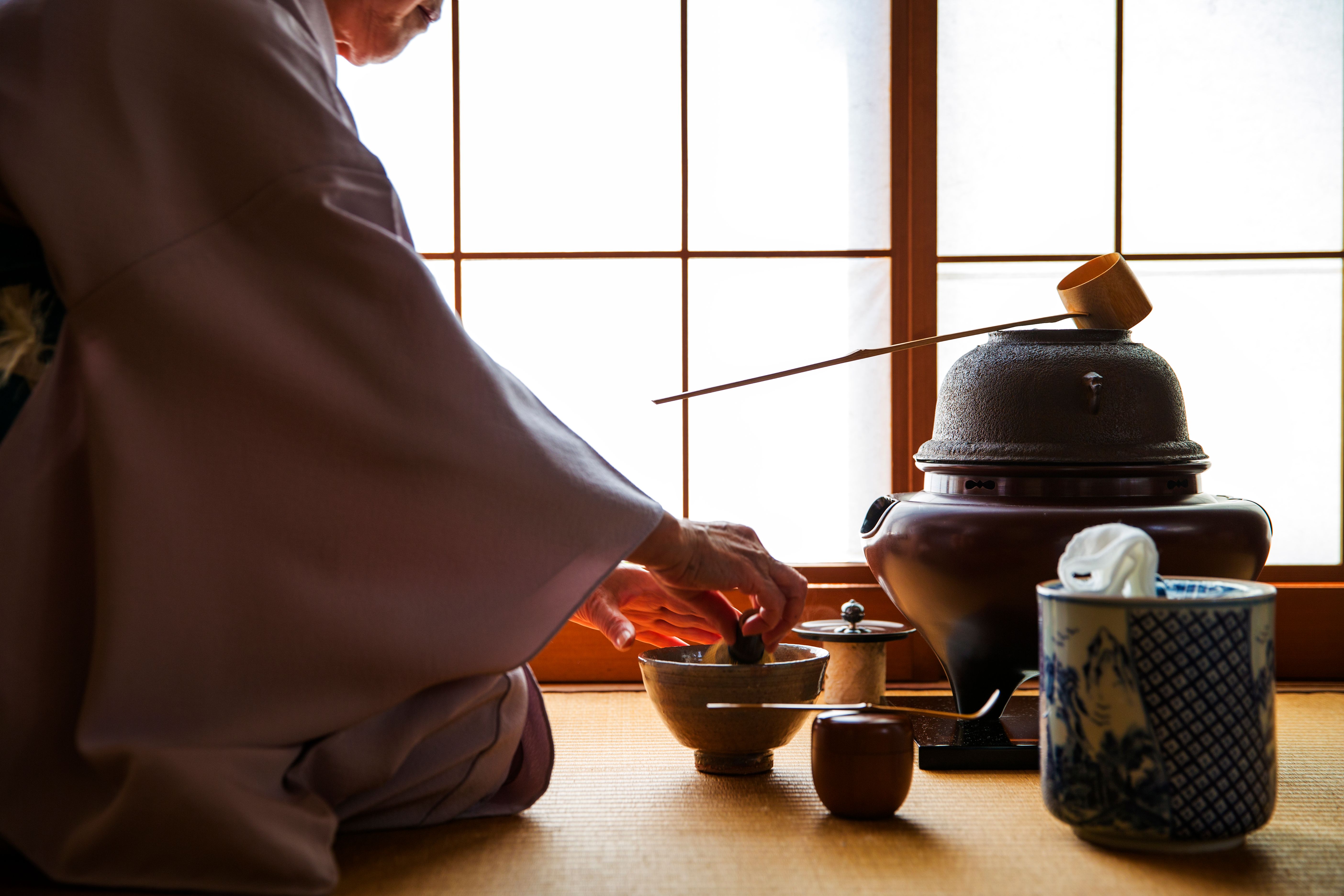
Conclusion
Understanding the intricacies of the Japanese tea ceremony allows us to appreciate its depth and significance. By dispelling myths and embracing the facts, we can gain a richer appreciation for this remarkable tradition. Whether you are a seasoned participant or a curious observer, the tea ceremony offers a unique window into Japanese culture and history.