
Experiencing Authentic Japanese Tea Ceremonies in Ehime: A Cultural Journey


In the picturesque region of Ehime, Japan, the traditional tea ceremony is not just a ritual but a profound cultural experience. Rich in history and symbolism, these ceremonies offer a unique window into the heart of Japanese culture. Whether you're a seasoned traveler or a curious novice, experiencing a tea ceremony in Ehime is a journey worth taking.
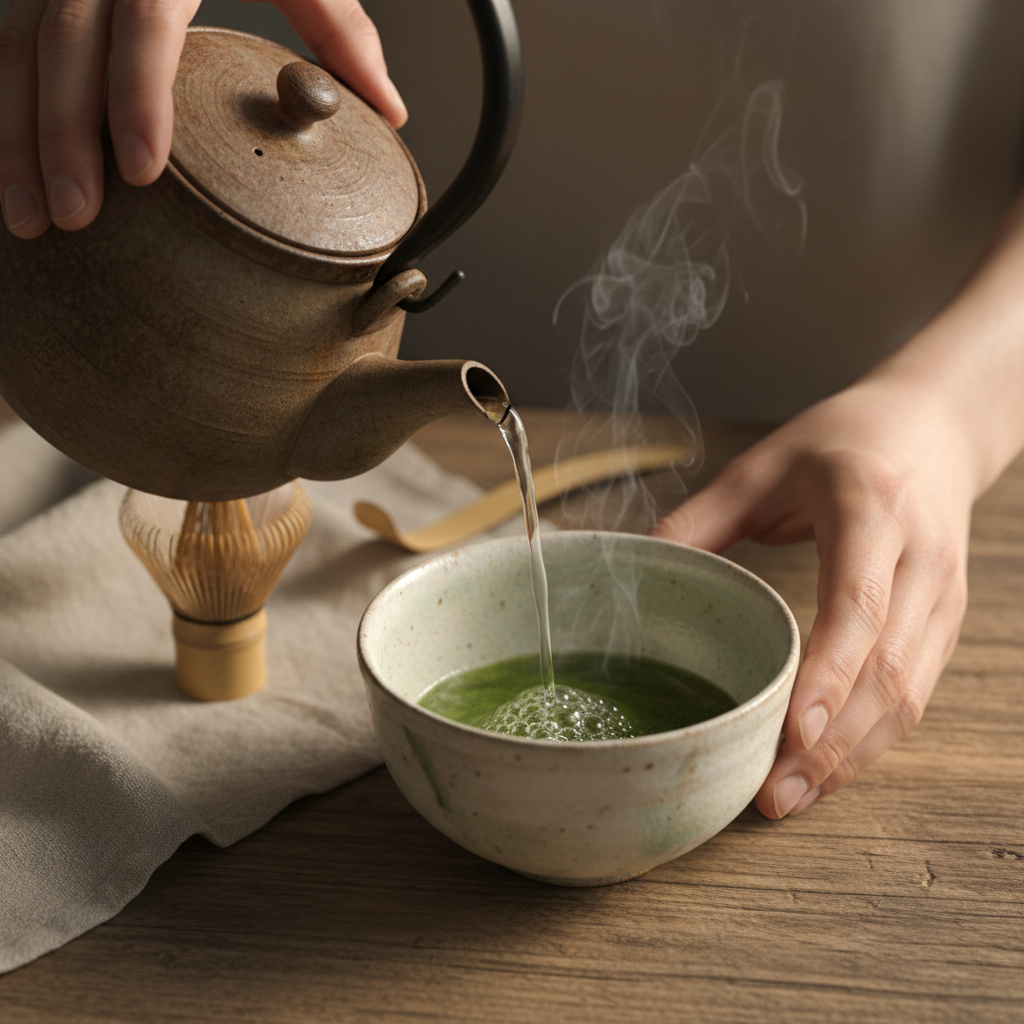
The Essence of the Japanese Tea Ceremony
The Japanese tea ceremony, or chanoyu, is more than just drinking tea. It is an art form that embodies harmony, respect, purity, and tranquility. Each element, from the choice of utensils to the movements of the host, is carefully considered to create a meaningful experience.
In Ehime, tea ceremonies are often held in serene settings, surrounded by nature, which enhances the meditative quality of the practice. Participants are invited to leave the outside world behind and embrace the simplicity and beauty of the moment.
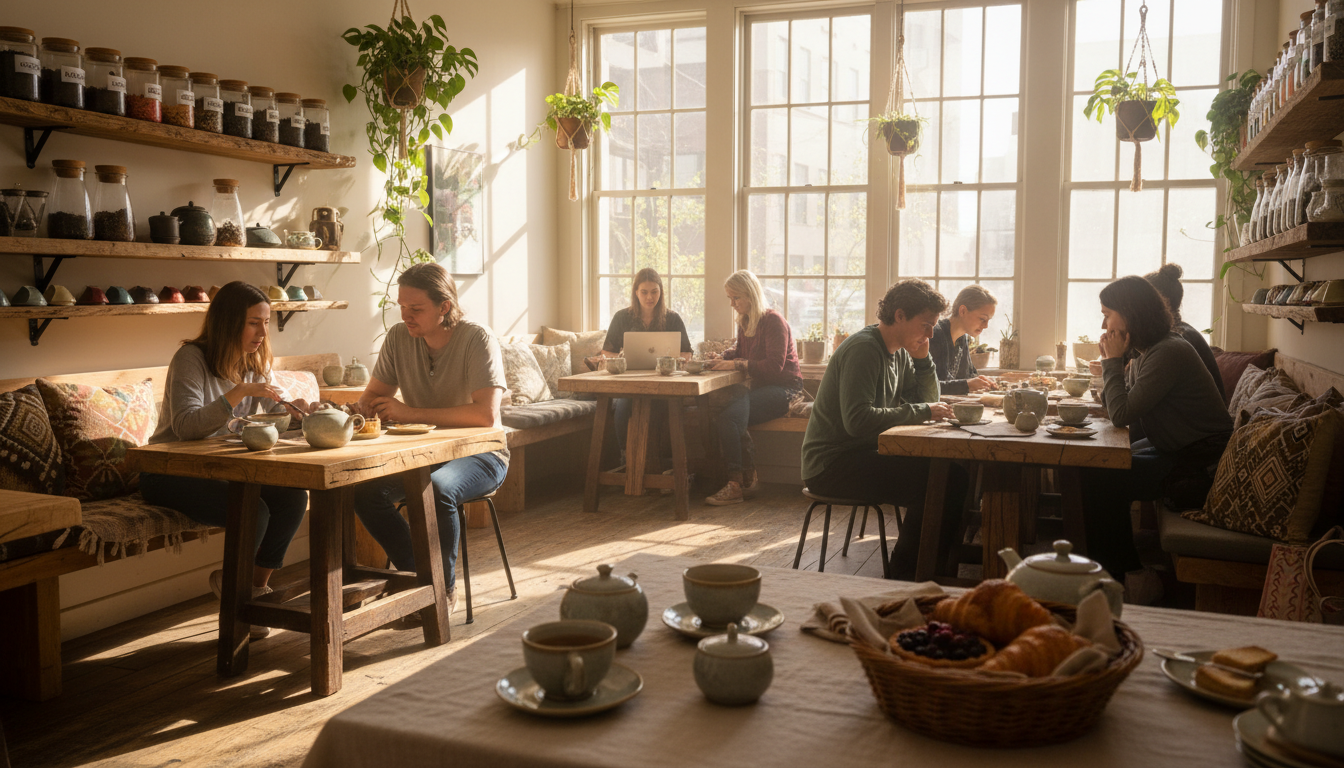
Experiencing a Ceremony in Ehime
Participating in a tea ceremony in Ehime provides a rare opportunity to connect with local traditions. Visitors can join ceremonies at various cultural centers and temples, where skilled tea masters guide them through the ritual. Understanding the philosophy behind each step adds depth to the experience.
The ceremony begins with the preparation of the tea room, followed by a series of graceful gestures performed by the host. Guests are encouraged to observe and appreciate each movement, which is imbued with symbolic meaning.
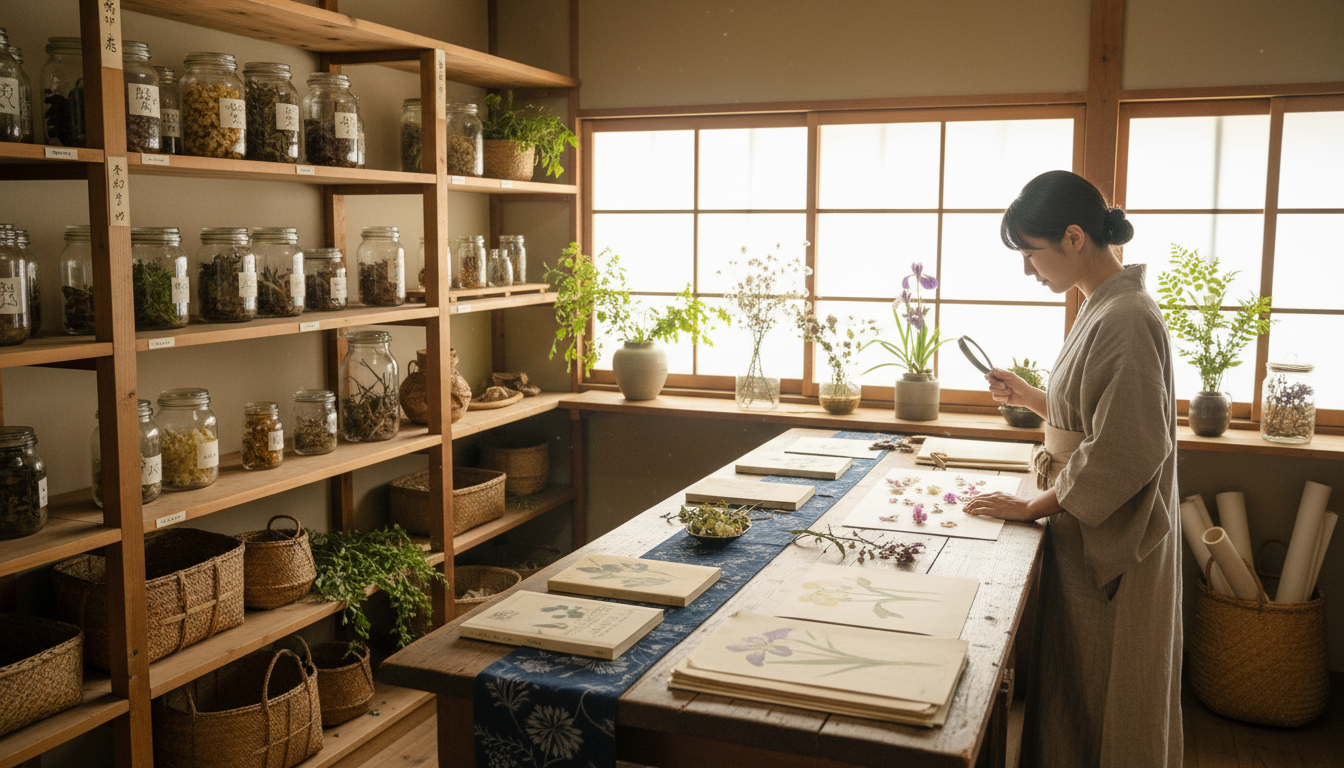
The Role of Matcha in the Ceremony
Central to the tea ceremony is matcha, a finely ground green tea powder. Known for its vibrant color and rich flavor, matcha is prepared using a bamboo whisk and served in handcrafted bowls. The act of savoring matcha is not just about taste; it is a meditative practice that encourages mindfulness.
In Ehime, local tea producers cultivate high-quality matcha, ensuring that each ceremony offers a taste of authentic Japanese tea culture. The subtle flavors and aromas of matcha reflect the care and craftsmanship of its production.
Connecting with the Culture
Beyond the ceremony itself, Ehime offers numerous ways to explore Japanese tea culture. Visitors can tour tea plantations, participate in tea-making workshops, and learn about the history of tea in the region. These activities provide a deeper appreciation of the cultural significance of tea in Japan.
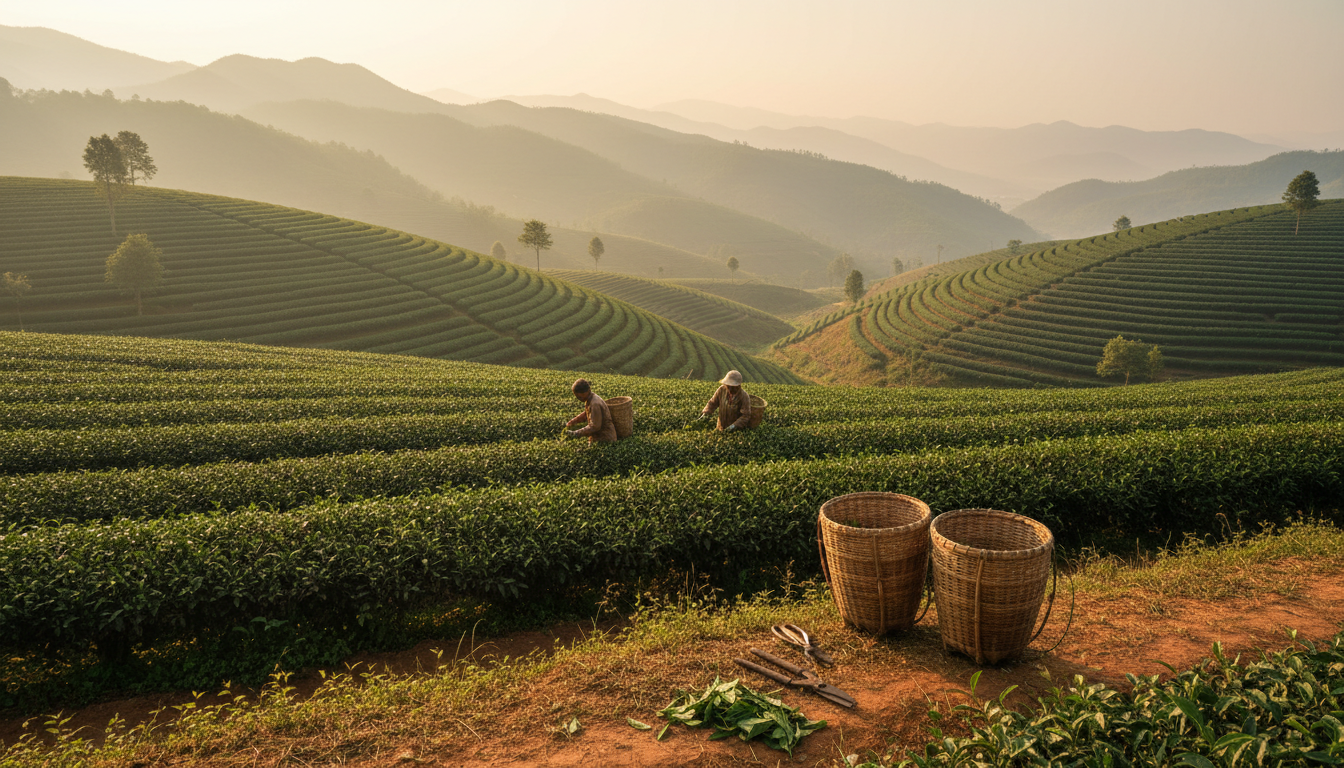
Whether you're exploring the tranquil tea gardens or engaging with local tea artisans, Ehime invites you to immerse yourself in a timeless tradition. The tea ceremony is not just a cultural experience; it's a journey into the soul of Japan.