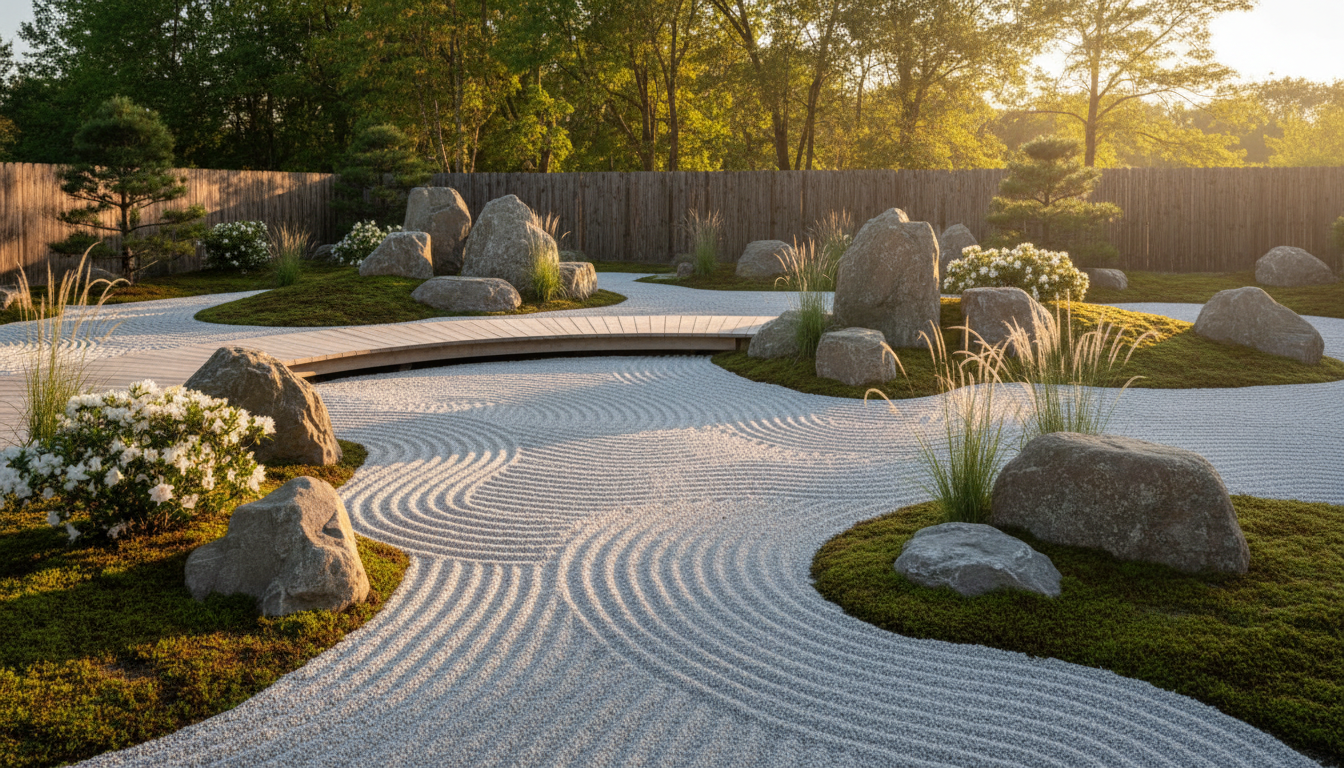
Experiencing a Japanese Tea Ceremony in Ehime: What to Expect


Introduction to the Japanese Tea Ceremony
Experiencing a Japanese tea ceremony is a unique opportunity to immerse yourself in a tradition that dates back over a thousand years. In Ehime, a region known for its rich cultural heritage and beautiful landscapes, the tea ceremony offers an authentic glimpse into the heart of Japanese culture. Whether you're a seasoned traveler or a curious first-timer, knowing what to expect can enhance your experience.
The Setting and Atmosphere
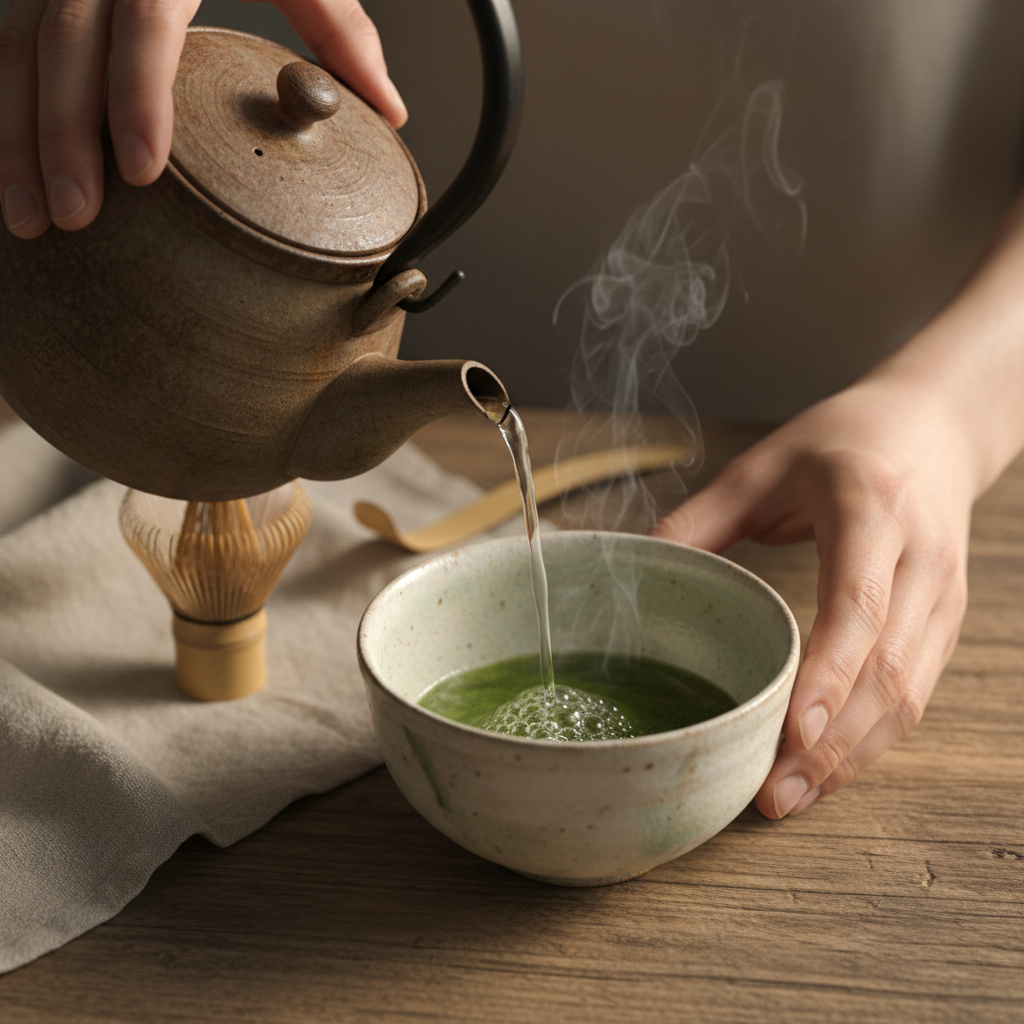
The tea ceremony often takes place in a traditional tea room designed to evoke a sense of tranquility and harmony. The room is typically decorated with simple, elegant furnishings, including tatami mats and a scroll or flower arrangement. This minimalist setting allows guests to focus on the ceremony itself, fostering a sense of peace and mindfulness.
The Role of the Host
The host plays a crucial role in the tea ceremony, guiding guests through the ritual with grace and precision. Every movement is deliberate, from the way the tea is prepared to the manner in which it is served. Watching the host, you'll notice the careful attention to detail that transforms the simple act of making tea into a form of art.
The Rituals and Practices
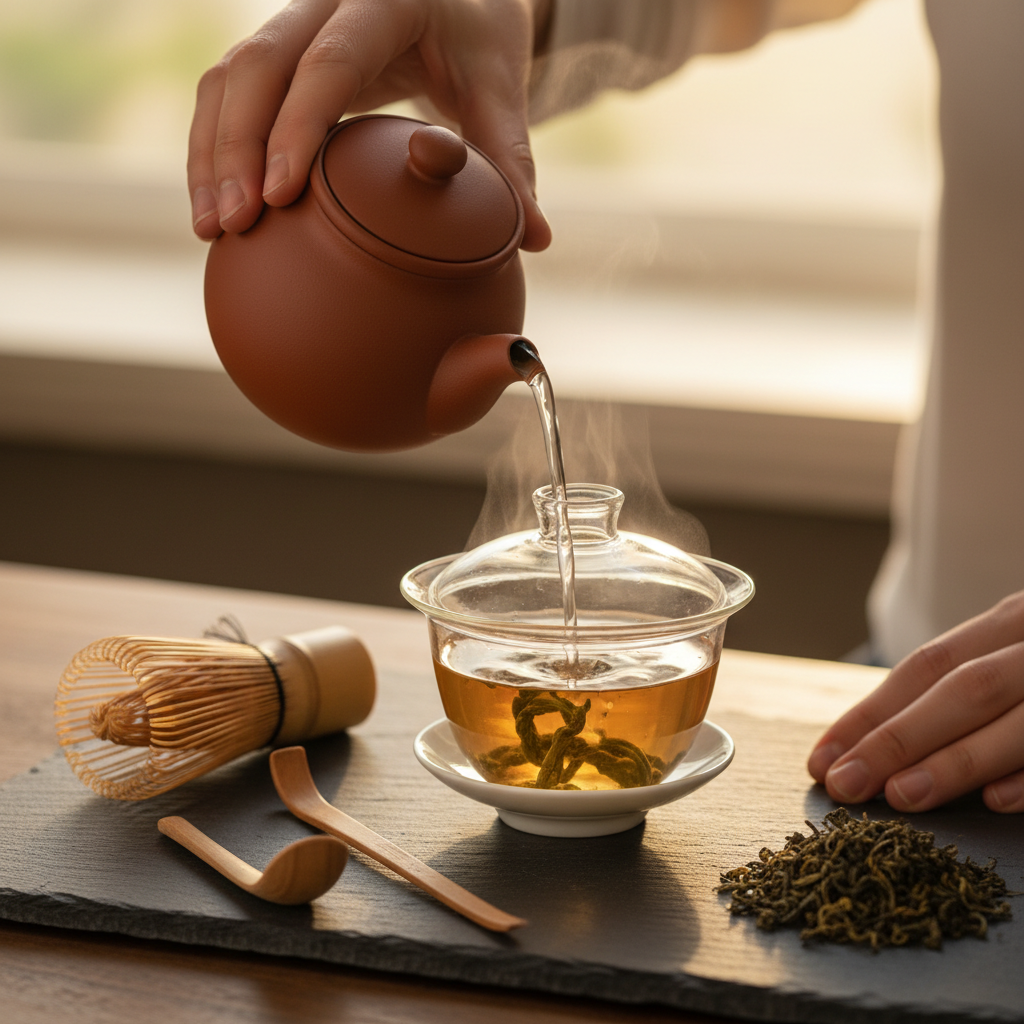
The tea ceremony involves several carefully choreographed steps, each with its own significance. Here's a brief overview of what you can expect:
- Purification: The ceremony begins with a purification ritual, where both the host and the guests cleanse their hands and mouths to symbolize purity.
- Preparation: The host prepares the tea using specific utensils, each selected for the occasion. This process is performed with meticulous care and is a central aspect of the ceremony.
- Serving: Once the tea is ready, it is served to the guests in a particular order, emphasizing respect and hospitality.
Etiquette for Guests
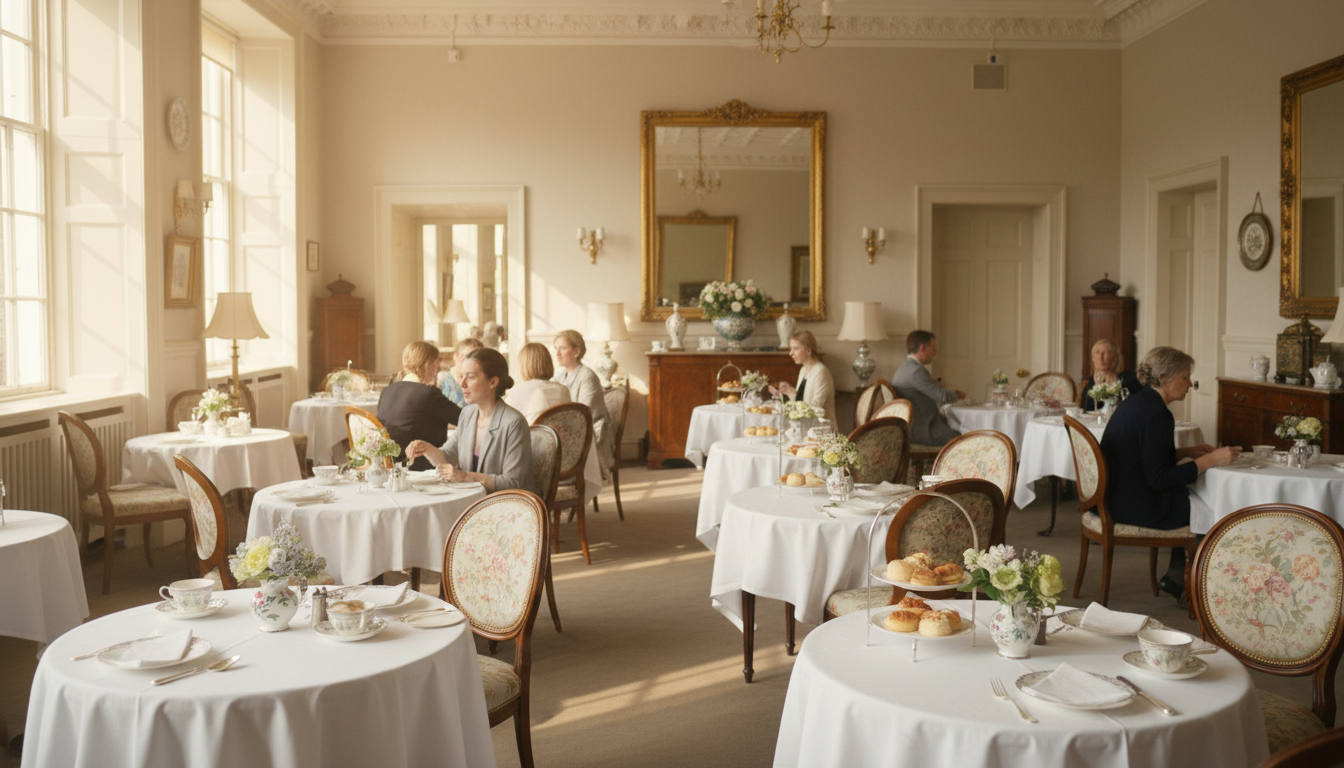
As a guest, participating in the tea ceremony requires an understanding of certain etiquettes. Here are some key points to keep in mind:
- Enter the tea room quietly and respectfully, acknowledging the host with a bow.
- Handle the tea bowl with care, turning it slightly before taking a sip to show appreciation.
- Engage with the host and other guests through polite conversation, maintaining a respectful tone throughout.
Conclusion: A Memorable Experience
Participating in a Japanese tea ceremony in Ehime is more than just enjoying a cup of tea. It's an opportunity to connect with the cultural traditions that have shaped Japan for centuries. The ceremony's emphasis on mindfulness, respect, and harmony offers a refreshing escape from the hustle and bustle of everyday life. Whether you're a culture enthusiast or simply seeking a unique experience, the tea ceremony is sure to leave a lasting impression.