
古民家: Embrace the Authentic Japanese Countryside Experience


Discovering 古民家: A Journey into Japan's Past
When you think of Japan, bustling cities like Tokyo and Osaka might come to mind. However, the serene countryside offers a treasure trove of historical and cultural experiences. Among these is the 古民家 (kominka), traditional Japanese farmhouses that encapsulate the charm and simplicity of rural Japan.
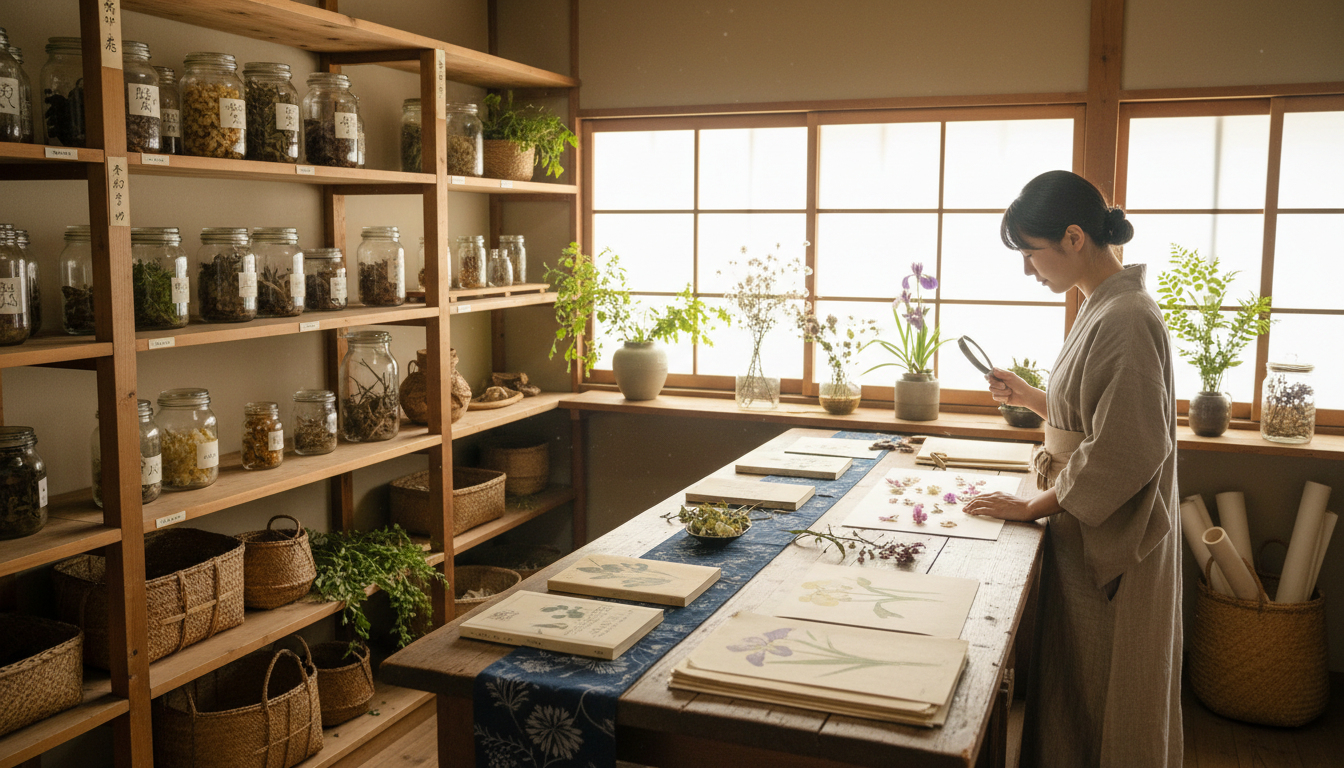
古民家 are more than just homes; they are a testament to Japan’s architectural ingenuity and cultural heritage. Built primarily between the Edo and early Showa periods, these structures are designed to withstand the elements and blend seamlessly with their natural surroundings. Today, they offer visitors a unique opportunity to experience life as it was over a century ago.
The Architecture and Design
The design of a 古民家 is both practical and aesthetically pleasing. Typically constructed using wood, straw, and clay, these homes feature thatched or tiled roofs, tatami mat floors, and sliding shoji doors. The spacious interiors are often centered around an irori, a traditional sunken hearth used for cooking and heating.

One of the most striking features is the open-beam ceiling, which showcases the craftsmanship of ancient carpenters. The construction method, known as "kanawa-tsugi," uses interlocking wooden joints without nails, ensuring durability and resilience.
Experiencing the Lifestyle
Staying in a 古民家 offers more than just a glimpse into historical architecture; it’s an immersive experience. Many of these homes have been repurposed into inns or guesthouses, allowing visitors to enjoy traditional Japanese hospitality. Guests can participate in activities like tea ceremonies, calligraphy, or even farming, providing a deeper connection to the Japanese countryside lifestyle.

The tranquility of these settings, often surrounded by lush rice fields and dense forests, provides a perfect escape from the hustle and bustle of modern life. Visitors can relax and rejuvenate, experiencing the slow pace of rural living.
The Cultural Significance
古民家 hold significant cultural value, representing the lifestyle and traditions of Japan's rural communities. They serve as a bridge between past and present, offering insights into the country’s evolution while preserving its rich heritage. Many locals and organizations are dedicated to preserving these structures, recognizing their importance in Japanese history.
Efforts to restore and maintain 古民家 are ongoing, ensuring that future generations can appreciate and learn from these historical gems. By visiting and supporting these sites, you contribute to the preservation of Japan’s cultural legacy.
Planning Your Visit
If you're planning a trip to Japan, consider including a stay in a 古民家 on your itinerary. Regions like Gifu, Nagano, and Okayama are renowned for their well-preserved farmhouses. Many travel agencies offer packages that include tours of these rural areas, providing an authentic taste of traditional Japanese life.

Whether you're a history enthusiast, architecture aficionado, or simply seeking a peaceful retreat, the experience of staying in a 古民家 is unparalleled. Embrace the opportunity to step back in time and immerse yourself in the authentic Japanese countryside.